We believe this is within our reach – provided those who exercise power have the means and incentives to make choices that serve humanity. Better decision-making requires special forms of knowledge and accountability that reduce governance risk, the hidden driver of many global threats and obstacles to human flourishing.
We believe this is within our reach – provided those who exercise power have the means and incentives to make choices that serve humanity. Better decision-making requires special forms of knowledge and accountability that reduce governance risk, the hidden driver of many global threats and obstacles to human flourishing.


Good governance helps societies lift their citizens up. Poor governance is not citizen-centred and so citizens suffer as the institutions that support them are weakened.
Wealth is sheltered from tax. Public education suffers. Infrastructure deteriorates. Hospital corridors overflow with patients. Budgets vanish into projects no one asked for. When decisions aren’t made transparently, public money dwindles and stops reaching the public.
Hype, disinformation, predatory contractual terms hidden in fine print, abuse of monopoly power, and failures of public institutions to protect the public all capture a growing share of limited household incomes.
Wealth concentrates. The middle class contracts. Households struggle to keep up with soaring costs. Jobs are lost. Marriages break down. Mental health deteriorates. Substance abuse increases. Homelessness soars.
People stop believing that rules apply equally. They assume the system is rigged – because too often, it is. They see leaders breaking the law with impunity and protecting their enablers. They see legislators acting as proxies for private interests. Cynicism replaces civic participation, and disinformation spreads, polarising society.
Short-termism rules. Leaders chase quick wins and leave the bill for the next generation. Debt grows. Forests shrink. Ice caps melt. Problems compound. As societies come under pressure from past decisions, they continue passing costs forward.
The judiciary is often the last bastion of protection for citizens against abuse of power. When the mechanisms that protect the independence and impartiality of judges are eroded, citizens lose the protections afforded to them by the law.
A vibrant and free press that is fearless in reporting on issues that are fact-checked responsibly constitutes one of the few reliable avenues available to citizens to make informed choices that make those in power accountable. When journalists go silent, the vacuum is filled with rumour and disinformation and unfiltered opinion.
Dictatorship, kleptocracy and disregard for the dignity and flourishing of citizens go together. Wealth and power are concentrated for the sake of a few. Repression is the tool of choice to keep citizens from getting to close to the truth of why their standard of living is low compared to the nation’s wealth that is being hoarded by political elites.
When people feel unheard, they disengage. Voter turnout falls. Resentment rises. Institutions lose the legitimacy they need to function.
01
Resources disappear
Wealth is sheltered from tax. Public education suffers. Infrastructure deteriorates. Hospital corridors overflow with patients. Budgets vanish into projects no one asked for. When decisions aren’t made transparently, public money dwindles and stops reaching the public.
02
Deceit overtakes value creation in business
Hype, disinformation, predatory contractual terms hidden in fine print, abuse of monopoly power and failures of public institutions to protect the public all capture a growing share of limited household incomes.
03
The divide between rich and poor grows
Wealth concentrates. The middle class contracts. Households struggle to keep up with soaring costs. Jobs are lost. Marriages break down. Mental health deteriorates. Substance abuse increases. Homelessness soars.
04
Trust breaks down
People stop believing that rules apply equally. They assume the system is rigged – because too often, it is. They see leaders breaking the law with impunity and protecting their enablers. They see legislators acting as proxies for private interests. Cynicism replaces civic participation and disinformation spreads, polarising society.
05
The future gets mortgaged
06
Judicial independence erodes
The judiciary is often the last bastion of protection for citizens against abuse of power. When the mechanisms that protect the independence and impartiality of judges are eroded, citizens lose the protections afforded to them by the law.
07
Journalists are targeted
08
Coercion and fear are used to maintain order
09
Citizens check out
When power is not checked, when decisions favour insiders, when short-term thinking rules and when citizens have no voice, systems decay – slowly at first, then all at once. These aren’t distant risks. They are happening now, in countries rich and poor. CGL works to reverse these patterns – one institution, one leader at a time.
We focus on the underlying causes of harm, not just the visible symptoms. Our work connects research with practical strategies.
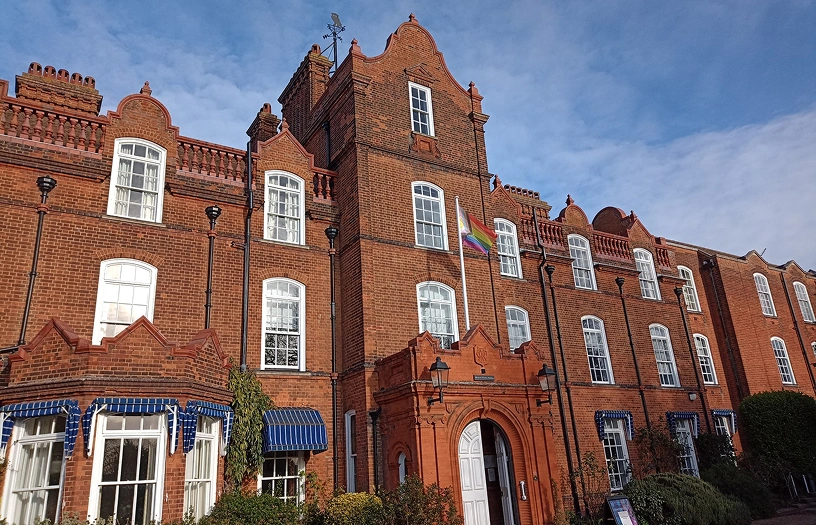
We look closely at how governance failures create global risks. Our focus is the fiduciary space - where duties owed are not always met. We provide stakeholders a new framework to identify the underlying drivers of their problems to help them find effective solutions.
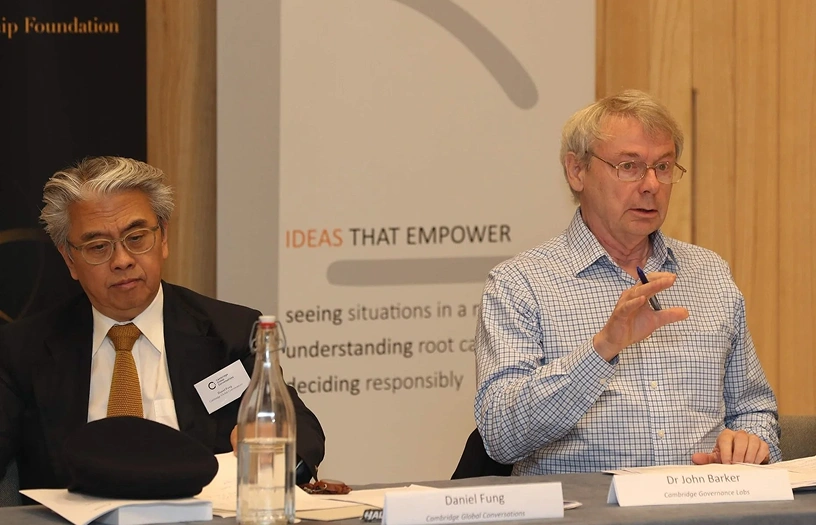
We bring together subject specialists to tackle specific governance challenges. From access to medicine to climate inaction to the development of tools to support evidence based decision-making, we create spaces where experts can share insights.
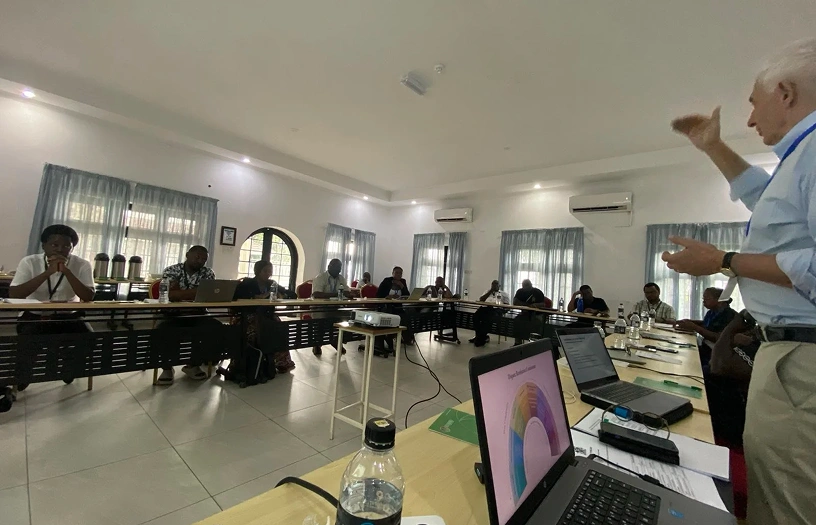
We equip decision-makers who exercise authority on behalf of others with the knowledge and skills to discharge their duties well. Our curriculum gives leaders practical frameworks for decision-making that protects the public interest.
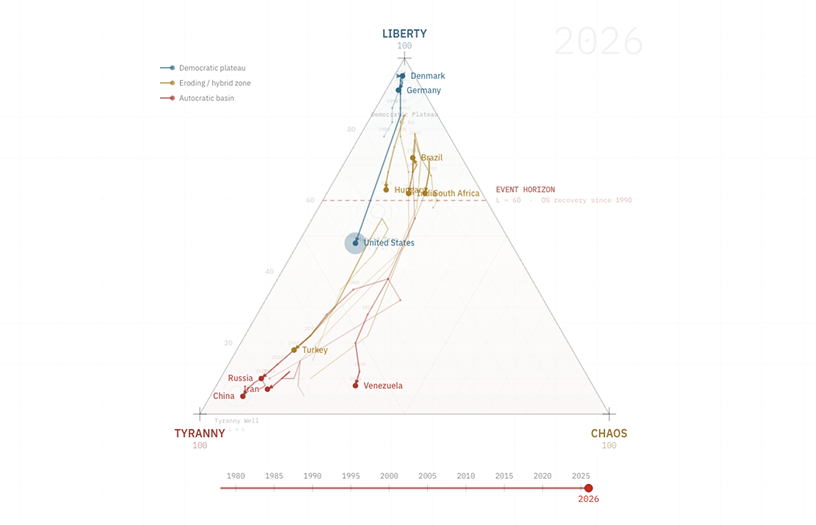
We are building a Governance Dashboard - that help stakeholders track consequences of decisions, particularly impact on ordinary citizens.
Decision-makers make choices that are lawful, procedurally fair, accountable, evidence-based, ethical, inclusive and aligned with policies that serve the public interest.
Better observance of procurement procedures, prevention of costly litigation and complaints to remedial institutions such as Ombudsman, Human Rights Commission.
Dispute prevention and management through expansion of mediation skills and disputes boards help institutions to avoid and manage conflicts and reduce tensions.
Enhanced knowledge of correct processes, greater oversight scrutiny by leaders, citizens and representatives and auditors and strengthened institutions that support the rule of law shrink opportunities for corruption.
Stronger governance reduces obstacles to essential services that underpin economies, save lives and afford citizens genuine opportunities.
Good governance encourages decisions that balance today’s needs and tomorrow’s impact.
“The approach of CGL was focused on practical application, adaptation to our local context with combination of research and practice which was highly impactful in this training programme.”
Cambridge Governance Labs (CGL) worked together with Malawi School of Government (MSG) in June 2024 as a partner in the design and delivery of Leadership Miletsone Programme (LMP) Training for District Commissioners, Directors and Chief Executive Officers for City Councils.
The partnership with CGL assisted us to build capacity skills of our participants in the areas of governance, ethical decision making and leadership. The approach of CGL was focused on practical application, adaptation to our local context with combination of research and practice which was highly impactful in this training programme.
We therefore recommend CGL to other institutions seeking to strengthen governance.

Director General
Malawi School of Government
“Many participants commented that the session would enable them to translate the governance frameworks directly into legislative action and institutional leadership on their return home.”
The Møller Institute collaborated with Cambridge Governance Labs on a recent programme for senior parliamentary and public sector officials from Nigeria.
Dr John Barker delivered an excellent session on oversight, accountability and decision-making that resonated strongly with participants, who rated it highly and particularly valued its applied focus.
Many participants commented that the session would enable them to translate the governance frameworks CGL shared directly into legislative action and institutional leadership on their return home.
Dr Barker’s ability to tailor governance concepts to the realities of public sector leadership made his contribution especially impactful.

Director of Executive Education
Møller Institute, Churchill College, University of Cambridge, UK
“Seeing governance strengthened from the inside, institution by institution, is exactly the kind of work that reminds you why this matters.”
For over two decades, I have had the privilege of working alongside Dr John Barker and Cambridge Governance Labs – a partnership that has quietly become one of the most meaningful of my professional life.
Our collaboration began with an EU-sponsored project supporting the Malawi Judiciary, work that grew to touch other government departments, including the Malawi Police. Seeing governance strengthened from the inside, institution by institution, is exactly the kind of work that reminds you why this matters.
Kairos has been working across South Africa and other African countries for 30 years. In that time, we have been involved in many projects and many partnerships. None has resonated more deeply than this one. There is something rare about a collaboration where shared values and complementary expertise align so naturally, and where the work itself continues to grow in scope and significance over time…. Read more
That work has taken different forms. Through One Million Strong, we were invited to partner with Reimagine SA, an organisation founded by Dr Mamphela Ramphele, who also serves as Chair of the Tutu IP Trust. Our shared goal was straightforward but ambitious – to introduce young South Africans to their Constitution and help them understand the power it places in their hands.
Together, Dr Mamphela and I developed a programme called We the People, designed to bring that vision to life. Dr John Barker and Cambridge Governance Labs played an invaluable role in helping us shape and refine it. Their expertise brought both rigour and clarity to the process, and we are grateful for the contribution they made to what we believe is an important piece of work for South Africa’s future.
We look forward to many more years of working together.
Show less

CEO, Kairos Connect
Founder and Chairman, One Million Strong NPC